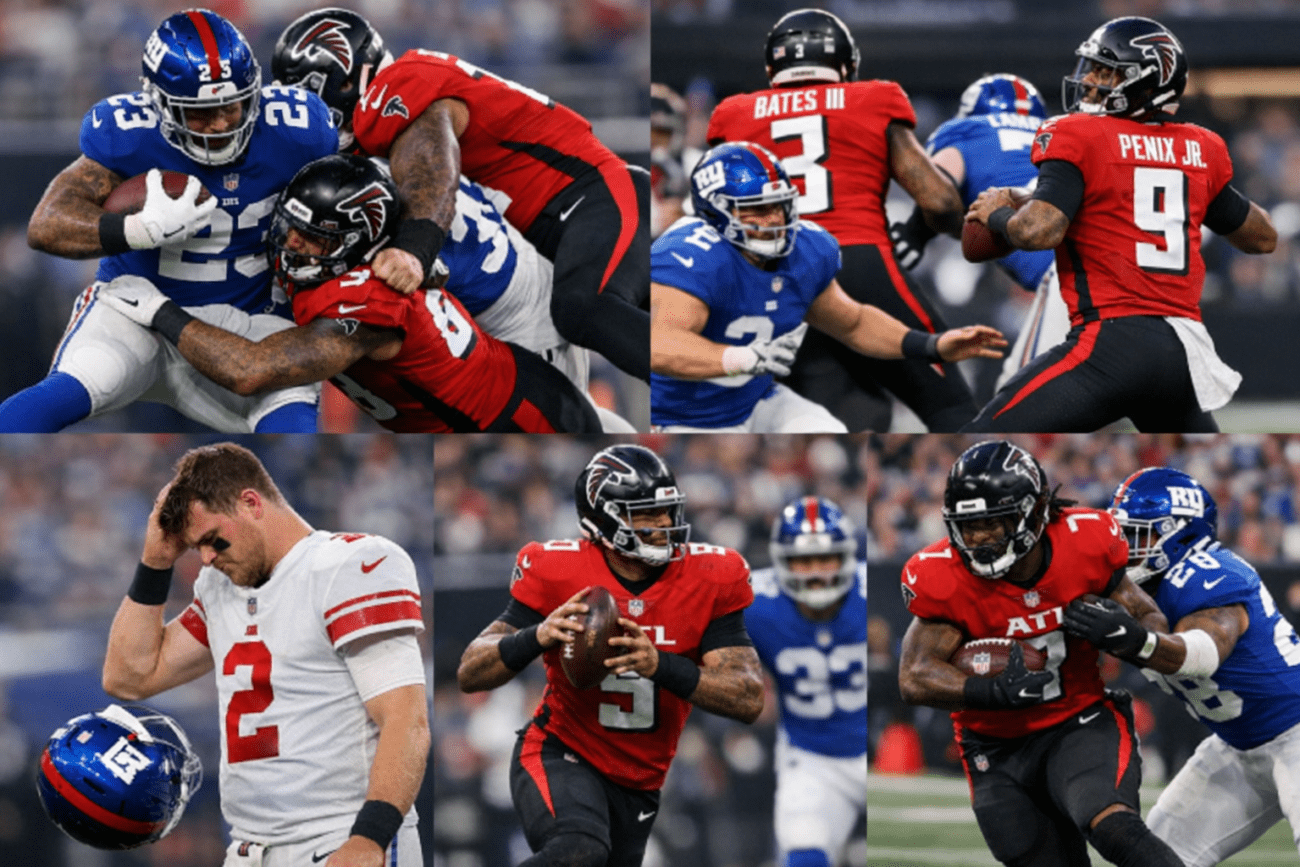
The New York Giants vs Atlanta Falcons match player stats has become a go‑to reference for fans, analysts, and sports bettors alike. Both teams, entrenched in NFL history, have delivered exciting clashes over the years. This article offers a comprehensive, transactional analysis of the most recent and statistically significant matchups, highlighting individual player performances, team comparisons, and insights that matter most — whether you are evaluating player effectiveness, preparing a fantasy lineup, or searching for validated data on the latest matchup.
Introduction to Giants vs Falcons Rivalry
The rivalry between the New York Giants and Atlanta Falcons spans decades, with both franchises experiencing peaks and valleys but consistently offering competitive action. Over their history, the Falcons lead in the head‑to‑head tally, but individual games have often swung on impactful player performances. These matchups showcase not just team strategies but also how key players rise up in critical moments, shaping outcomes with notable statistical contributions.
In this article, we focus on recent matches — especially the high‑profile December 22, 2024 game — dissecting the standings, analyzing top performers, and breaking down key player stats that influenced the final results. Whether you’re comparing quarterback accuracy or rushing totals, every major stat is covered below.
Overview: December 22, 2024 Giants vs Falcons Game
On December 22, 2024, the Falcons hosted the Giants in what became a standout performance across offense and defense. The final score was Falcons 34, Giants 7, with Atlanta showing dominance on multiple fronts. The statistics from this game serve as a prime example of how individual and team executions influence outcomes.
Final Score Summary
| Team | Q1 | Q2 | Q3 | Q4 | Final |
|---|---|---|---|---|---|
| Giants | 0 | 7 | 0 | 0 | 7 |
| Falcons | 0 | 17 | 14 | 3 | 34 |
This matchup featured standout plays from top receivers, powerful rushing performances, key defensive turnovers, and game‑changing scoring plays. It also revealed core strengths and weaknesses for each squad.
Quarterback Duel Stats
Falcons QB: Michael Penix Jr.
Falcons quarterback Michael Penix Jr. displayed a poised performance, completing 18 of 27 passes for 202 yards. While he did not throw a touchdown in this game, his controlled distribution and ability to avoid sacks helped the Falcons sustain drives. His passer rating was 73.4, indicating moderate efficiency in the face of New York’s defense.
Giants QB: Drew Lock
For the Giants, Drew Lock attempted more passes, going 22 of 39 for 210 yards, with 1 touchdown and 2 interceptions. While the touchdown highlighted his capability to make high‑leverage plays, the two turnovers significantly shifted momentum in Atlanta’s favor. Lock’s rating of 58.7 showed a more challenging outing compared to Penix Jr.
Rushing Leaders: Strength on the Ground
Falcons Rushing Impact
Bijan Robinson, the standout running back for Atlanta, rushed 22 times for 94 yards and scored 2 touchdowns. His ability to break tackles and pick up yards after contact kept Atlanta’s offense balanced and threatening. Robinson’s rushing display was pivotal; his performance consistently kept the Giants on their heels throughout the contest.
Giants Rushing Effort
The Giants’ leading rusher was Tyrone Tracy Jr., who carried the ball 7 times for 26 yards, with one touchdown reception. While limited compared to Robinson’s output, Tracy Jr.’s involvement highlighted his developing role in New York’s backfield. His performance offered flashes of explosive potential even against tough defense.
Receiving Leaders: Catching Up the Numbers
Leading Falcons Receiver
For the Falcons, Darnell Mooney led receiving efforts with 82 yards on 5 receptions. His yardage helped maintain sustained drives, complementing the Falcons’ rushing success and keeping defenses stretched. Mooney’s performance emphasized Atlanta’s multiple threats in the passing game.
Giants Receiving Highlights
The Giants’ top receiver was Malik Nabers, catching 7 passes for 68 yards. Nabers’ contribution, while not enough to swing the game, added offensive diversity and demonstrated his reliability as a target — particularly for future roles in the offense.
Defensive Highlights: Turnovers & Pressure
Falcons Defensive Plays
The Falcons defense delivered key plays that altered scoring opportunities:
-
Jessie Bates III returned an interception 55 yards for a touchdown, turning defense directly into scoring.
-
Matthew Judon also scored off an interception return, extending Atlanta’s lead and undermining the Giants’ offensive rhythm.
These plays were game‑defining, shifting momentum and showcasing Atlanta’s ability to convert stops into points.
Giants Defensive Response
While the Giants’ defense showed effort with an interception from cornerback Cor’Dale Flott, their overall impact in limiting Atlanta’s scoring was modest. The Falcons’ balanced offensive attack proved difficult to contain consistently.
Defensive Highlights: Turnovers & Pressure
Falcons Defensive Plays
The Falcons defense delivered key plays that altered scoring opportunities:
-
Jessie Bates III returned an interception 55 yards for a touchdown, turning defense directly into scoring.
-
Matthew Judon also scored off an interception return, extending Atlanta’s lead and undermining the Giants’ offensive rhythm.
These plays were game‑defining, shifting momentum and showcasing Atlanta’s ability to convert stops into points.
Giants Defensive Response
While the Giants’ defense showed effort with an interception from cornerback Cor’Dale Flott, their overall impact in limiting Atlanta’s scoring was modest. The Falcons’ balanced offensive attack proved difficult to contain consistently.
Team Stats Comparison
Summary of Key Stats
| Statistic | Giants | Falcons |
|---|---|---|
| Total Yards | 234 | 329 |
| Passing Yards | 189 | 202 |
| Rushing Yards | 45 | 127 |
| Time of Possession | 25:32 | 34:28 |
The Falcons outpaced the Giants in total yardage, rushing production, and clock control — critical elements that propelled their decisive victory.
Historical Context: Head‑to‑Head Trends
Across the historical head‑to‑head statistics between these two franchises, both teams showcase similar passing totals and competitive figures. While the Falcons hold a slight edge overall, individual matchups tend to shift based on player development, coaching strategy, and roster dynamics.
Tactical Insights from Player Performances
The statistical breakdown of this matchup highlights several tactical insights:
-
Balanced Attacking: Atlanta’s diversity in run and pass put continuous pressure on the Giants’ defense.
-
Turnover Capitalization: Defensive scores swung momentum and directly contributed to the scoreboard.
-
Quarterback Management: Michael Penix Jr.’s efficient control contrasted with Lock’s higher risk throws, shaping offensive success.
These insights underline why player stats matter beyond raw numbers — they reveal how specific contributions influence the flow and outcome of high‑stakes NFL games.
Conclusion: Stats Tell the Full Story
In the New York Giants vs Atlanta Falcons match player stats, raw numbers blend with game dynamics to reveal the true narrative of competition. Whether measuring rushing dominance, analyzing quarterback choices, or assessing defensive disruption, every stat carries context and meaning that impacts results, fan expectations, and betting or fantasy strategies.
This transactional analysis equips you with fact‑based insights into how stars delivered performances and how those performances affected the final scoreline.
Frequently Asked Questions (FAQs)
1. Who led the Falcons in rushing in the Giants vs Falcons match?
Bijan Robinson led the Falcons with 94 rushing yards and 2 touchdowns, showcasing his role as a primary ground threat.
2. How did Giants quarterback Drew Lock perform?
Lock completed 22 of 39 passes for 210 yards, with 1 touchdown and 2 interceptions, which impacted the Giants’ momentum negatively.
3. Did any defensive players score in this matchup?
Yes, Jessie Bates III and Matthew Judon both scored via interception returns, pivotal in the Falcons’ commanding win.
4. What were the total yardage differences between the teams?
The Falcons gained 329 total yards compared to the Giants’ 234, demonstrating a more effective offense.
5. Can these stats influence fantasy football decisions?
Absolutely — rushing leaders, defensive scoring plays, and quarterback efficiency all factor significantly in assessing fantasy performance potential.
One thought on “New York Giants vs Atlanta Falcons Match Player Stats & Highlights”