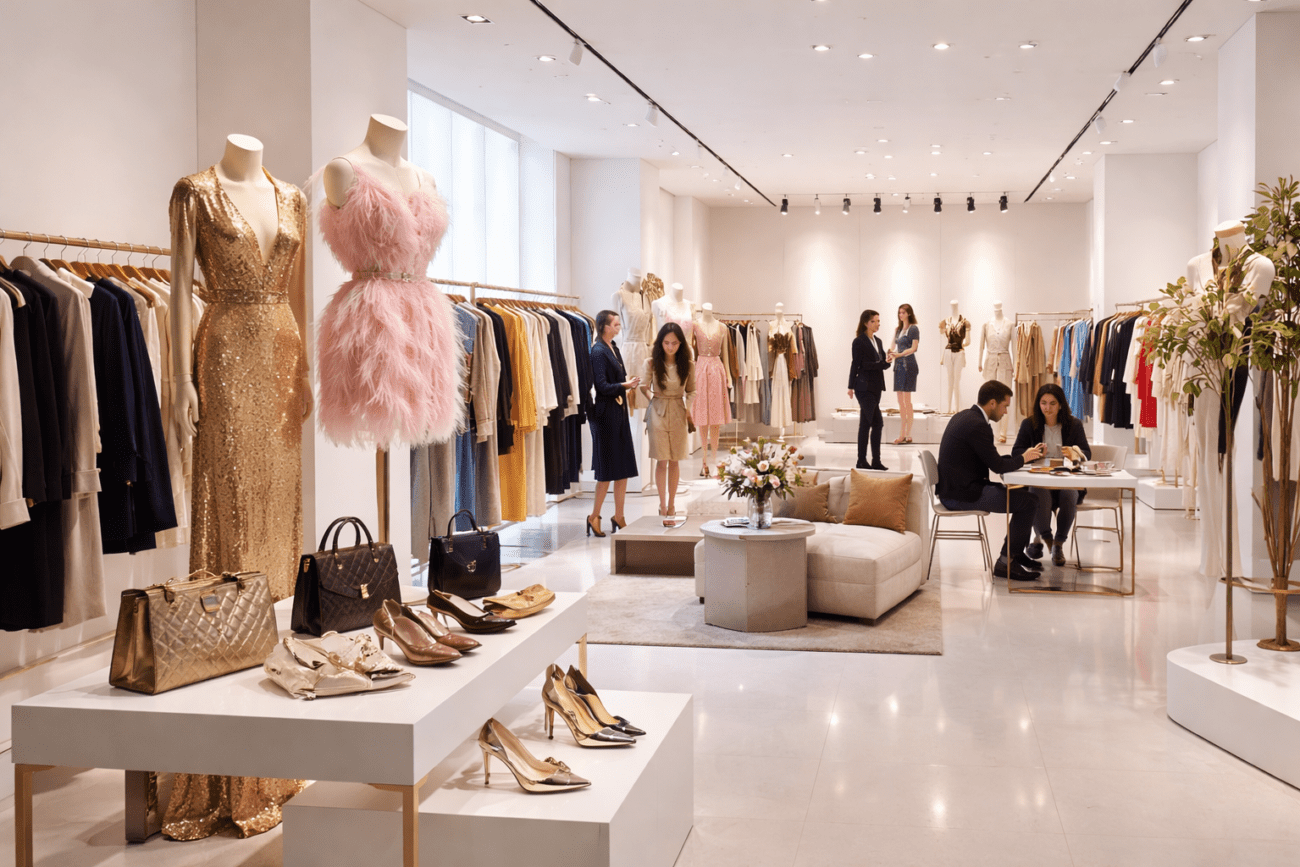
The fashion industry gallery concept has transformed how brands, designers, and consumers interact with style. In today’s competitive market, a fashion industry gallery is more than just a display space—it is a curated platform where creativity meets commerce. Whether online or physical, these galleries showcase designer collections, runway highlights, seasonal trends, and exclusive fashion pieces, making them a powerful transactional hub for buyers, retailers, and fashion enthusiasts. If you are looking to explore, invest, or shop within a fashion industry gallery, understanding its role in the global fashion ecosystem is essential.
What is a Fashion Industry Gallery?
A fashion industry gallery is a professional exhibition space dedicated to presenting clothing collections, accessories, footwear, and luxury fashion items. Unlike traditional retail stores, galleries focus on curated presentation, storytelling, and brand identity. They can exist as physical showrooms, digital platforms, pop-up exhibitions, or integrated sections within fashion marketplaces.
These galleries often collaborate with designers, photographers, stylists, and fashion houses to create immersive visual experiences. From high-end couture pieces to ready-to-wear collections, a fashion industry gallery acts as a bridge between designers and potential buyers, including retailers and direct customers.
Importance of Fashion Industry Galleries in Modern Retail
In the digital era, consumer behavior has shifted dramatically. Shoppers want inspiration before making a purchase decision. A fashion industry gallery provides a visually appealing space where customers can explore collections in detail before buying. High-resolution images, 360-degree views, runway clips, and styling suggestions enhance purchasing confidence.
For brands, galleries increase product visibility and improve conversion rates. Instead of simple product listings, curated displays create emotional engagement. This storytelling approach drives transactional intent, encouraging visitors to add items to their carts or inquire about wholesale opportunities.
Types of Fashion Industry Galleries
Physical Fashion Galleries
Physical fashion galleries are often located in fashion capitals such as Paris, Milan, New York City, and London. These spaces showcase seasonal collections, host launch events, and attract fashion buyers from around the world. Designers use these galleries to display craftsmanship, fabric quality, and intricate detailing that customers can experience firsthand.
Online Fashion Industry Galleries
Online galleries have gained massive popularity due to global accessibility. Digital fashion platforms allow brands to upload lookbooks, campaign shoots, and runway collections. Customers can browse and shop instantly, regardless of geographic location. Integrated payment systems and real-time inventory updates make online fashion galleries powerful transactional platforms.
Hybrid Fashion Showroom Galleries
Hybrid galleries combine physical and digital experiences. Customers may visit a showroom to explore samples but complete purchases online. This model reduces inventory costs while maximizing reach. Fashion tech innovations such as augmented reality fitting rooms further enhance this gallery format.
Key Features of a Successful Fashion Industry Gallery
A professional fashion industry gallery includes structured product categorization, high-quality imagery, detailed descriptions, and seamless checkout processes. Visual presentation must reflect brand identity while maintaining user-friendly navigation.
Another important feature is curated themes. For example, seasonal edits like “Spring Collection,” “Bridal Couture,” or “Streetwear Essentials” help customers shop efficiently. Integration with social media platforms enhances reach and engagement.
Secure payment gateways and clear return policies also strengthen trust, which is crucial for transactional success. Customers are more likely to purchase when they feel confident about product authenticity and refund options.
Role of Fashion Events and Runway Galleries
Global fashion events significantly influence gallery trends. Major fashion weeks such as Paris Fashion Week and New York Fashion Week set the tone for seasonal designs. Galleries often feature highlights from these events to attract fashion-forward audiences.
Runway galleries display editorial-quality images from live shows, helping buyers preview upcoming trends. Retailers use these previews to plan inventory purchases months in advance. This strategic alignment between events and galleries strengthens industry-wide commerce.
Benefits for Designers and Brands
For designers, a fashion industry gallery is a marketing powerhouse. It provides brand exposure, media coverage opportunities, and direct access to buyers. Emerging designers can use gallery platforms to gain recognition without investing heavily in standalone stores.
Established brands benefit from curated storytelling that reinforces their luxury image. Galleries also provide analytics insights, helping brands understand which collections generate the most interest and sales.
Benefits for Buyers and Consumers
Buyers, including boutique owners and fashion retailers, use galleries to source inventory. They can compare collections, request samples, and place bulk orders directly through gallery platforms.
Consumers enjoy curated browsing experiences that simplify decision-making. Instead of navigating overwhelming product lists, they explore themed displays that align with personal style preferences. This structured approach increases satisfaction and reduces return rates.
SEO and Digital Marketing for Fashion Industry Galleries
Search engine optimization plays a critical role in driving traffic to online fashion industry galleries. Optimized product titles, engaging meta descriptions, and keyword-rich content attract targeted visitors. Social media campaigns, influencer collaborations, and email marketing further boost transactional conversions.
High-quality blog content related to styling tips, trend analysis, and designer interviews enhances authority. Visual platforms like Instagram and Pinterest drive additional traffic by linking directly to gallery product pages.
How to Choose the Best Fashion Industry Gallery
When selecting a fashion industry gallery for shopping or partnership, evaluate credibility, designer portfolio, and customer reviews. Ensure secure payment systems and transparent pricing structures. For wholesale buyers, check minimum order quantities and shipping policies.
Look for galleries that frequently update collections to stay aligned with current trends. A dynamic and regularly refreshed gallery signals active brand participation and market relevance.
Future Trends in Fashion Industry Galleries
Technology will continue to redefine fashion industry galleries. Virtual reality showrooms, AI-powered styling assistants, and personalized product recommendations are shaping the next phase of digital commerce. Sustainability is another emerging trend, with galleries highlighting eco-friendly designers and ethical production processes.
Blockchain-based authentication systems may also be integrated to verify product originality, especially for luxury items. As consumer expectations evolve, galleries must adapt to remain competitive and transaction-focused.
Conclusion
A fashion industry gallery is no longer just an exhibition space—it is a dynamic commercial platform connecting designers, retailers, and consumers worldwide. From physical showrooms in global fashion capitals to digital platforms accessible with a single click, these galleries drive visibility, engagement, and sales. By combining curated storytelling, secure transactions, and innovative technology, fashion industry galleries continue to redefine modern retail experiences. Whether you are a designer seeking exposure or a shopper searching for exclusive collections, choosing the right gallery can significantly enhance your fashion journey.
Frequently Asked Questions (FAQs)
1. What is a fashion industry gallery?
A fashion industry gallery is a curated platform—physical or digital—where designers and brands showcase collections for buyers and consumers.
2. Are fashion industry galleries only for luxury brands?
No, galleries can feature luxury, premium, and even emerging designer collections depending on their target market.
3. How do fashion galleries support online shopping?
They integrate secure payment systems, detailed product descriptions, and high-quality visuals to encourage confident purchases.
4. Can retailers place bulk orders through fashion industry galleries?
Yes, many galleries offer wholesale purchasing options for boutique owners and fashion retailers.
5. Why are fashion weeks important for galleries?
Fashion weeks introduce new trends and collections that galleries showcase to attract buyers and fashion enthusiasts.