Introduction
If you live in warm or humid regions, you’ve probably encountered what people commonly call a palmetto bug. The name alone can make homeowners uneasy, often bringing to mind large, fast-moving insects that seem impossible to eliminate. But what exactly is this creature, and why does it appear so frequently in homes, especially during certain seasons? Understanding the nature of this pest is the first step toward controlling it effectively.
Many people confuse this insect with other species, exaggerate its dangers, or underestimate its resilience. This guide will break down everything you need to know—from identification and behavior to prevention and elimination—so you can protect your home with confidence.
What Is a Palmetto Bug?
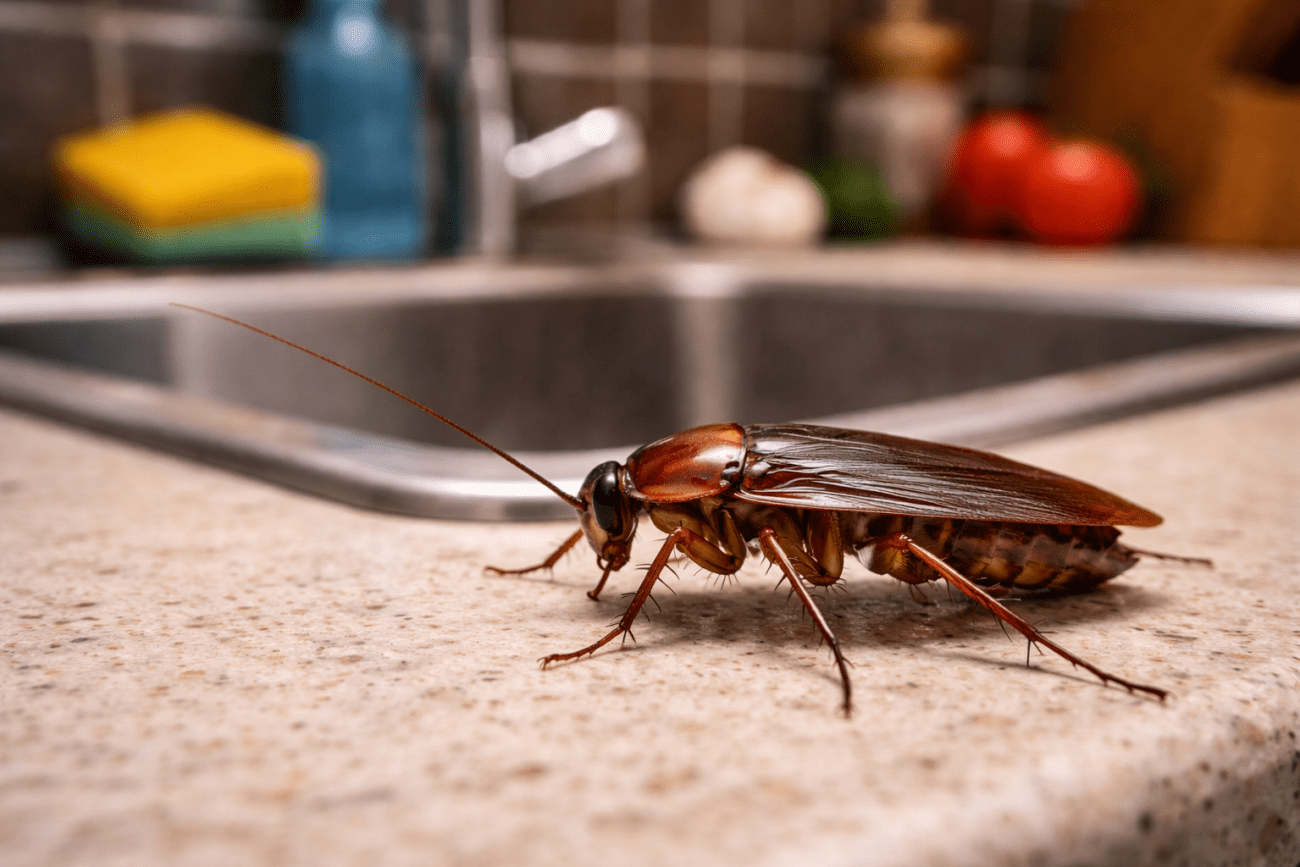
The term is not a scientific classification but a common nickname used in parts of the United States, especially the Southeast. It typically refers to large cockroach species, most commonly the American cockroach. These insects are reddish-brown, can grow up to two inches long, and are known for their ability to glide or fly short distances.
Unlike smaller roaches that thrive indoors, these larger insects are often outdoor dwellers. However, they enter homes in search of food, water, or shelter—especially during extreme weather conditions.
Why Are They Called That?
The name originates from regions where palmetto trees are common. These insects are often found living in and around such vegetation, which led locals to associate the bug with the tree. Over time, the nickname stuck and became widely used, even though the insect itself is not exclusive to that habitat.
Physical Characteristics
Recognizing this insect is crucial for proper control. Here are its key features:
- Size: Larger than most household insects, typically 1.5–2 inches long
- Color: Reddish-brown with a pale marking behind the head
- Wings: Fully developed wings; capable of short flights
- Movement: Fast runners, especially when startled
Because of their size and speed, they are often more alarming than smaller pests.
Where Do They Live?
These insects prefer warm, damp environments. Outdoors, they are commonly found in:
- Mulch and leaf piles
- Tree bark and woodpiles
- Sewers and drains
- Garbage areas
Indoors, they are attracted to:
- Kitchens and bathrooms
- Basements and crawl spaces
- Areas with moisture leaks
Their presence inside usually indicates that conditions are favorable for survival, even if temporarily.
Why Do They Enter Homes?
There are several reasons why these insects invade living spaces:
1. Weather Changes
Heavy rain or extreme heat can drive them indoors. Flooded habitats or dry conditions push them to seek shelter.
2. Food Availability
Crumbs, garbage, and pet food are strong attractants. Even small amounts of organic material can sustain them.
3. Water Sources
Leaky pipes, standing water, and humidity provide the moisture they need to survive.
4. Easy Entry Points
Cracks in walls, gaps around doors, and open windows make it easy for them to enter.
Are They Dangerous?
While they are not as harmful as some pests, they are not completely harmless either.
Health Concerns
- Can carry bacteria from unsanitary environments
- May contaminate food and surfaces
- Can trigger allergies or asthma in sensitive individuals
Psychological Impact
Their large size and sudden movements can cause significant fear or stress, especially when they appear unexpectedly.
Common Myths
Myth 1: They Are Different from Cockroaches
This is one of the biggest misconceptions. The insect commonly referred to as a palmetto bug is actually a type of cockroach.
Myth 2: They Only Live in Clean Homes
Cleanliness helps reduce risk, but even spotless homes can experience infestations if there are entry points or moisture issues.
Myth 3: They Cannot Fly
While not strong flyers, they can glide or fly short distances, which often surprises people.
Myth 4: Seeing One Means No Infestation
Even a single sighting could indicate more are nearby, especially if conditions are favorable.
Signs of an Infestation
Detecting a problem early can prevent it from getting worse. Look for:
- Droppings resembling small black specks
- Egg cases (oval-shaped capsules)
- Musty odor in enclosed spaces
- Live or dead insects, especially at night
Prevention Tips
Seal Entry Points
- Use caulk to close cracks and gaps
- Install door sweeps
- Repair damaged screens
Reduce Moisture
- Fix leaks immediately
- Use dehumidifiers in damp areas
- Ensure proper ventilation
Maintain Cleanliness
- Store food in sealed containers
- Take out garbage regularly
- Clean up spills and crumbs promptly
Outdoor Maintenance
- Keep mulch away from the house
- Trim vegetation near walls
- Remove debris and woodpiles
Natural Remedies
If you prefer non-chemical solutions, consider these options:
Boric Acid
A common and effective method. It disrupts the insect’s digestive system when ingested.
Diatomaceous Earth
A natural powder that damages the insect’s exoskeleton, leading to dehydration.
Essential Oils
Peppermint and eucalyptus oils can act as repellents when diluted and sprayed around entry points.
Chemical Treatments
For more severe problems, chemical solutions may be necessary:
Insecticide Sprays
Quick-acting but often temporary. Best used for immediate control.
Baits
Attract insects and poison them after consumption. Effective for long-term control.
Residual Treatments
Applied to surfaces where insects travel, providing ongoing protection.
Always follow safety guidelines when using chemicals, especially in homes with children or pets.
Professional Pest Control
If the problem persists, hiring professionals may be the best option. They can:
- Identify the exact species
- Locate hidden nests
- Apply targeted treatments
- Provide long-term prevention strategies
Professional services are especially useful for large infestations or recurring issues.
Seasonal Patterns
These insects are more active during warmer months. Peak activity often occurs in:
- Late spring
- Summer
- Early fall
During colder seasons, they may seek shelter indoors, increasing the chances of encounters.
How to Handle One Immediately
If you spot one in your home:
- Stay calm
- Use a spray or household cleaner
- Dispose of it properly
- Inspect the area for entry points
Avoid crushing them on porous surfaces, as this can spread bacteria.
Long-Term Control Strategy
A successful approach combines multiple methods:
- Regular cleaning
- Structural repairs
- Moisture control
- Monitoring and maintenance
Consistency is key. Occasional efforts are not enough to keep these pests away permanently.
Environmental Impact
Overuse of pesticides can harm beneficial insects and the environment. Whenever possible:
- Use targeted treatments
- Avoid excessive spraying
- Consider eco-friendly alternatives
Balancing effectiveness with environmental responsibility is important.
Final Thoughts
Dealing with a palmetto bug can be unsettling, but it doesn’t have to be overwhelming. By understanding its behavior, identifying risk factors, and taking preventive measures, you can significantly reduce the chances of an infestation.
Whether you choose natural remedies, chemical treatments, or professional help, the key is to act early and stay consistent. With the right approach, your home can remain clean, safe, and pest-free. Stay connected with us for more Information.