Electric Vehicles (EV) Adoption in 2025: Models, Infrastructure, and Incentives
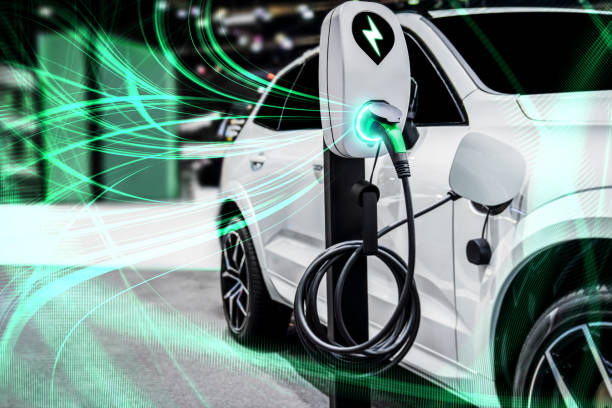
Introduction
The Rise of Electric Vehicles in 2025
-
Environmental awareness – Consumers are more conscious of reducing their carbon footprint.
-
Technological innovation – Advances in batteries, software, and design make EVs more appealing.
-
Policy support – Governments around the world are providing tax breaks, subsidies, and stricter emissions rules.
-
Corporate investment – Leading automakers are investing billions to electrify their fleets, phasing out gasoline-powered vehicles.
Latest EV Models in 2025
-
Tesla Model 3 2025 Edition
Tesla continues to lead with its updated Model 3, offering improved battery efficiency and a range exceeding 400 miles per charge. The affordability and brand recognition make it a favorite among consumers. -
Ford Mustang Mach-E 2025
Ford’s electric SUV has become a strong competitor in the EV market, delivering style, speed, and functionality. The latest model introduces faster charging and enhanced driver-assist technology. -
Hyundai Ioniq 7
Hyundai has expanded its EV lineup with the Ioniq 7, a family-friendly SUV that combines long-range driving with futuristic interiors powered by AI-based smart systems. -
Rivian R1T Pickup Truck
The EV pickup market is booming in 2025. Rivian’s R1T stands out for its rugged design, off-road capabilities, and fast charging options—appealing to outdoor enthusiasts and commercial buyers. -
BMW iX3 and Mercedes EQE
Luxury brands are no longer behind. BMW and Mercedes are pushing stylish EVs with advanced connectivity, autonomous features, and premium comfort, catering to high-end buyers.
Charging Infrastructure Expansion
-
Faster Charging Technology
Ultra-fast DC chargers now provide 80% charge in less than 20 minutes, making EVs more convenient for long-distance travel. Companies like Tesla, Electrify America, and Charge Point are expanding fast-charging networks across highways and cities. -
Wider Availability
Public and private sectors are working together to install charging points in malls, workplaces, gas stations, and residential areas. In many urban locations, charging stations are as common as traditional fuel pumps. -
Smart Charging Solutions
AI-based charging systems can now optimize electricity usage, charge during off-peak hours, and integrate with renewable energy sources. This not only reduces costs but also supports sustainable energy grids. -
Wireless Charging
Several pilot projects in 2025 are testing wireless charging pads that allow cars to recharge simply by parking over them. Though still developing, this technology could revolutionize EV convenience in the coming years.
Government Incentives Driving Adoption
-
Tax Credits and Rebates
-
The U.S. federal government continues to provide tax credits up to $7,500 for EV buyers, with additional rebates at the state level.
-
European countries like Germany, France, and Norway are offering direct subsidies to reduce upfront purchase costs.
-
Infrastructure Investment
Governments are funding nationwide charging networks. For example, the U.S. has committed billions to expand EV charging stations across all states by 2030. -
Strict Emission Regulations
Countries in Europe and Asia are enforcing stricter emission laws, forcing automakers to accelerate EV production. Many cities are also banning gasoline and diesel vehicles from central zones. -
Fleet Electrification Programs
Public transportation and commercial fleets are being electrified with government backing. From buses to delivery vans, this transition is helping reduce urban pollution.
Benefits of EV Adoption
-
Environmental Benefits: With no tailpipe emissions, EVs help lower greenhouse gases and significantly cut down on air pollution.
-
Lower Running Costs: EVs require less maintenance and electricity is cheaper than gasoline.
-
Energy Efficiency: EVs convert more energy from the grid to power at the wheels compared to fuel-powered cars.
-
Innovation Opportunities: The rise of EVs encourages advances in renewable energy, AI, and battery recycling industries.
Challenges Still Ahead
-
High Initial Cost: Even with incentives, EVs can be more expensive upfront.
-
Battery Supply Chains: The global demand for lithium and rare earth minerals is creating supply and environmental challenges.
-
Charging in Rural Areas: Infrastructure is still catching up outside urban centers.
-
Consumer Awareness: Many potential buyers still hesitate due to misconceptions about EV range and reliability.
Future Outlook
Conclusion
Editor's Picks

The Ottawa Senators are entering the 2025–26 NHL season with renewed purpose and expectations. After finally breaking an eight-year playoff drought by clinching a wild-card spot, the franchise aims to go beyond mere qualification. Their season begi...

In today’s fast-paced world, mental health has become one of the most important aspects of overall well-being. While physical health often takes center stage, our emotional and psychological wellness plays an equally vital role in shaping our quali...

Introduction Home improvement has always reflected lifestyle shifts, but in 2025 the U.S. housing market is witnessing an accelerated transformation. Homeowners are no longer just looking for cosmetic upgrades; they are investing in solutions that m...

Introduction In today’s fast-moving digital world, making the right financial choices is no longer an option it’s a necessity. With the vast number of investment platforms, brokers, and financial products available online, consumers often strugg...

Introduction In the latest fixture of the Iran Pro League (IPL), defending champions Persepolis FC were surprisingly held to a draw by Malavan Bandar Anzali, a result that has sent shockwaves across Iranian football. For a club of Persepolis’s sta...

Introduction Jamaica is known worldwide for its vibrant culture, reggae rhythms, and golden beaches. But in recent years, the island has also been gaining recognition for its growing culinary scene. A prime example is “Stush in the Bush”, a one-...