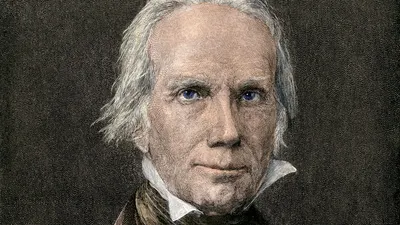
The search term Henry Clay Henry often refers to the prominent American statesman Henry Clay, who played a critical role in shaping U.S. politics during the early 19th century. Known as the “Great Compromiser,” Clay’s contributions to American political, economic, and social development make him a key figure in history. This guide provides a comprehensive look at Henry Clay’s life, career, policies, and legacy, with professional analysis suitable for students, history enthusiasts, and researchers.
Early Life and Education
Henry Clay was born on April 12, 1777, in Hanover County, Virginia. Coming from modest beginnings, he pursued education and law, showing an early interest in public service. Clay’s upbringing in a post-Revolutionary America influenced his dedication to national unity and governance. After studying law, he established his practice in Kentucky, where his political career would soon begin.
Political Career and Rise to Prominence
Henry Clay’s political career began in the Kentucky House of Representatives and quickly expanded to national politics. He served in the U.S. House of Representatives and the Senate multiple times. Known for his eloquence and persuasive speaking skills, Clay became a central figure in shaping legislative debates. His influence extended across party lines, making him a key player in the formation of the Whig Party.
The American System
One of Henry Clay’s most significant contributions was the American System, a plan to strengthen the U.S. economy through internal improvements, protective tariffs, and a national bank. This system aimed to promote industry, commerce, and infrastructure development, ensuring economic stability and national growth. The American System became a central element of Clay’s political philosophy, reflecting his belief in federal government responsibility for economic development.
Role as Speaker of the House
Clay served multiple terms as Speaker of the House of Representatives, where he became renowned for his leadership and legislative skill. His ability to navigate complex political situations earned him respect from allies and opponents alike. As Speaker, Clay facilitated important compromises and guided the House through turbulent political periods, establishing a model of effective parliamentary leadership.
The Great Compromiser
Henry Clay earned the nickname “The Great Compromiser” due to his role in major legislative compromises, including the Missouri Compromise of 1820 and the Compromise of 1850. These agreements sought to balance interests between free and slave states, delaying sectional conflict and promoting temporary national unity. Clay’s commitment to negotiation and compromise highlighted his belief in preserving the Union above partisan interests.
Presidential Campaigns
Despite his prominence, Henry Clay ran for the presidency several times without success. He was a candidate in the elections of 1824, 1832, and 1844. Clay’s failures illustrate the complexities of American electoral politics and the influence of regional and partisan dynamics. Nevertheless, his campaigns allowed him to influence national debates and promote his vision for the country.
Legacy in U.S. Politics
Henry Clay’s legacy is evident in his contributions to American political thought, legislative practice, and national unity efforts. His ideas on economic development, infrastructure, and compromise influenced generations of lawmakers. Clay also played a key role in shaping the Whig Party, which provided an alternative to the Democratic Party and impacted 19th-century U.S. politics.
Henry Clay’s Later Life
In his later years, Henry Clay continued to serve in the Senate, advocating for economic development and national unity. His dedication to public service persisted until his death on June 29, 1852. Clay’s passing marked the end of an era in American politics, but his influence endured through the policies he championed and the leaders he inspired.
Influence on Modern Politics
Modern American politics continues to reflect principles championed by Henry Clay. His emphasis on compromise, negotiation, and economic planning resonates in contemporary governance. Policy makers often study Clay’s career to understand coalition-building, bipartisan negotiation, and legislative strategy.
Educational Contributions and Recognition
Henry Clay’s name has been commemorated through schools, monuments, and historical societies. His work is studied in political science and history curricula across the United States. Educational programs and public lectures frequently highlight Clay’s legislative achievements and his role in shaping the early American republic.
FAQs
Who was Henry Clay?
Henry Clay was a U.S. statesman, Speaker of the House, and Senator known as “The Great Compromiser” for his role in major legislative agreements.
What is Henry Clay known for?
He is known for the American System, key legislative compromises, and his efforts to maintain national unity in the early 19th century.
Did Henry Clay ever become President?
No, despite running multiple times, Henry Clay never won the presidency.
Why is he called “The Great Compromiser”?
He earned this title for crafting compromises like the Missouri Compromise and the Compromise of 1850, which temporarily resolved sectional conflicts.
What is the American System?
The American System was Clay’s plan to promote economic development through tariffs, a national bank, and infrastructure improvements.
Conclusion
Henry Clay Henry remains one of the most influential figures in U.S. political history. From his early career in Kentucky to his national impact as Speaker of the House and senator, Clay’s dedication to compromise, economic development, and national unity left a lasting mark. His life illustrates the complexities of governance and the enduring value of negotiation and leadership in shaping the American political landscape.