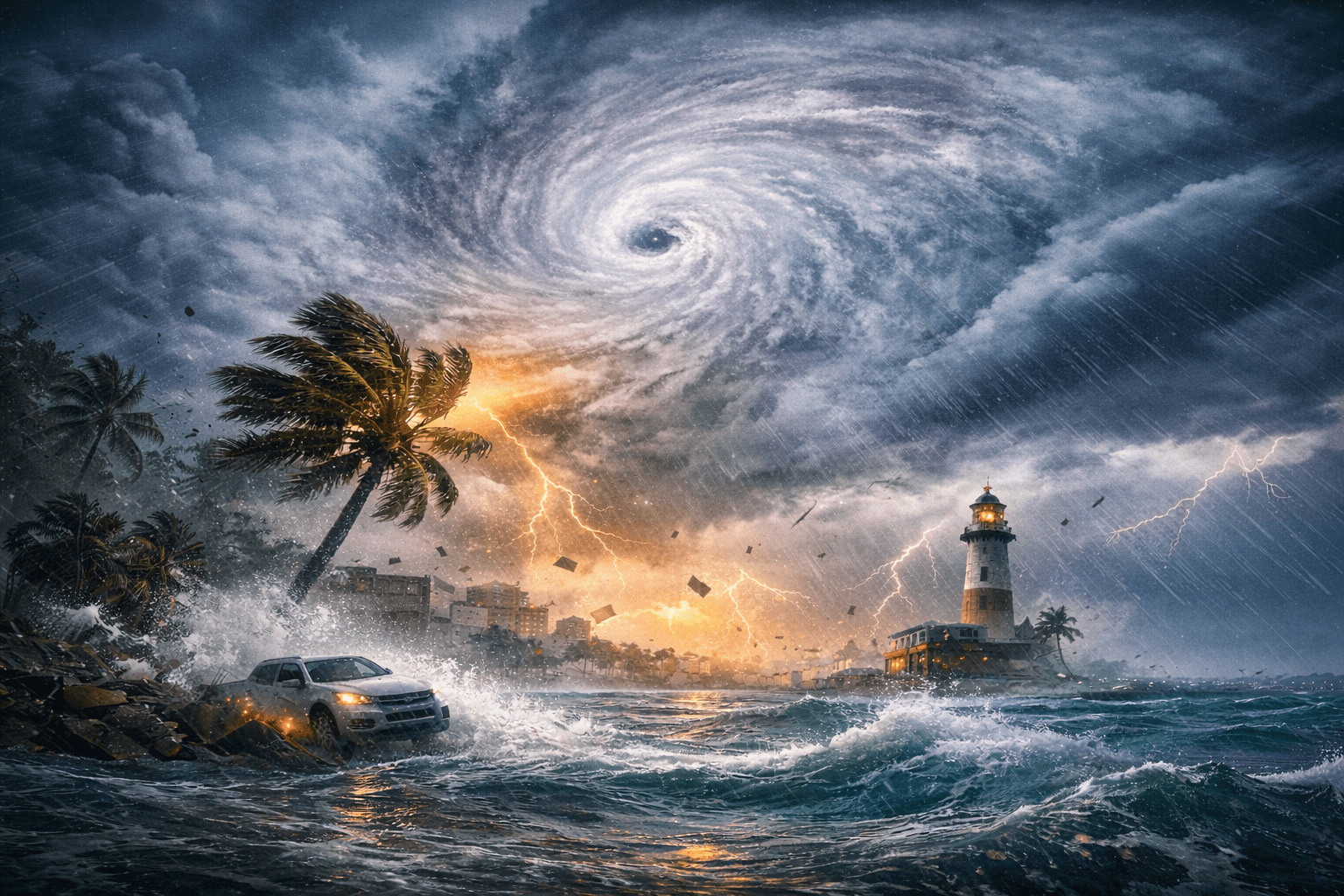
Natural disasters have always shaped human history, and tropical cyclones remain among the most powerful forces of nature. Hurricane Melissa represents the type of storm system that reminds us how important preparation, awareness, and technology are in today’s world. Whether you’re researching storm behavior, safety planning, or digital tracking tools, understanding how such systems work can help reduce risks and improve response.
What Is a Hurricane?
A hurricane is a large, rotating storm system that forms over warm ocean waters. It gains strength from heat energy stored in the sea and can bring extreme winds, heavy rainfall, flooding, and coastal damage. Storms like Hurricane Melissa highlight how quickly weather patterns can shift and why early warnings are critical.
These systems are categorized based on wind speed, and even a small change in atmospheric conditions can turn a tropical storm into a dangerous hurricane. That’s why meteorological monitoring has become more advanced over the years.
How Hurricanes Form
Hurricanes require specific conditions to develop:
-
Warm ocean water (usually above 26°C)
-
Moist air in the atmosphere
-
Low wind shear
-
A pre-existing weather disturbance
When these elements combine, a storm can rapidly intensify. In the case of Hurricane Melissa, such environmental factors would have contributed to its structure, wind strength, and rainfall intensity.
Why Storm Tracking Matters
Modern forecasting systems allow scientists to monitor storm paths in real time. Satellite imagery, ocean sensors, and predictive models help estimate landfall locations and possible damage. Using advanced digital tools similar to hurricane melissa software, experts can analyze wind speed trends, pressure levels, and rainfall distribution.
This type of software helps:
-
Governments issue evacuation warnings
-
Emergency services prepare resources
-
Coastal communities reduce risk
-
Researchers study long-term climate patterns
Technology has dramatically improved our ability to predict storms, but preparation at the personal level is still essential.
Hurricane Preparedness and Safety
Being ready before a storm hits can save lives. Following hurricane melissa tips can help individuals and families stay safe.
Essential Preparation Steps
-
Emergency Kit – Keep water, food, flashlight, batteries, and medical supplies ready.
-
Secure Property – Reinforce windows and doors.
-
Stay Informed – Monitor weather updates through official channels.
-
Evacuation Plan – Know safe routes and shelters.
-
Communication Plan – Ensure family members know how to connect.
Preparedness isn’t about panic; it’s about readiness and awareness.
Impact of Strong Hurricanes
Storms like Hurricane Melissa can cause both immediate and long-term consequences:
-
Coastal flooding
-
Infrastructure damage
-
Power outages
-
Agricultural loss
-
Economic disruption
Communities often require weeks or months to recover. Strong building codes and emergency planning reduce the overall impact.
The Role of Digital Tools
Weather technology is now accessible beyond government agencies. Some platforms provide public access to tracking tools, storm alerts, and mapping services. Certain educational platforms even offer free hurricane melissa simulations to teach people how storms evolve and how emergency systems respond.
These digital resources help:
-
Students learn about climate science
-
Researchers test weather models
-
Communities improve disaster readiness
Climate Change and Storm Intensity
Scientists suggest that warmer oceans may increase the intensity of hurricanes. While not every storm becomes stronger, rising sea temperatures can provide more energy to developing systems. This can influence rainfall rates, storm surge levels, and wind strength.
Understanding events like Hurricane Melissa helps researchers identify patterns and adapt safety strategies for the future.
Community Resilience
Recovery depends not only on government support but also on community cooperation. Neighborhood networks, volunteer groups, and emergency services play major roles after storms. Learning from past events, including cases similar to Hurricane Melissa, helps cities improve response systems.
Resilient communities focus on:
-
Strong infrastructure
-
Public education
-
Early warning systems
-
Climate adaptation planning
The Future of Hurricane Monitoring
Artificial intelligence and machine learning are transforming weather prediction. Advanced systems, including upgraded hurricane melissa software, can process massive data sets and provide more accurate forecasts. Faster predictions mean more time for evacuations and preparation.
In the future, we may see:
-
Real-time risk maps
-
Smart city alert systems
-
AI-based damage assessment
-
Automated emergency coordination
These innovations will help reduce loss and improve safety worldwide.
Final Thoughts
Storms are natural events, but their impact depends largely on preparation, technology, and awareness. Hurricane Melissa serves as an example of why understanding hurricane science, using digital tools, and following safety guidelines are essential. With better forecasting, community resilience, and informed individuals, the risks associated with hurricanes can be significantly reduced.
FAQs
What are the facts about Hurricane Melissa?
Hurricane Melissa represents a tropical cyclone system characterized by strong winds, heavy rainfall, and organized circulation around a central low-pressure area. Storms like this form over warm waters and can intensify quickly depending on environmental conditions.
What are some good questions to ask about hurricanes?
Useful questions include: How do hurricanes form? What makes them stronger or weaker? How accurate are forecasts? What safety steps should families take? How does climate change affect storm intensity?
What countries were affected by Hurricane Melissa?
Storm systems similar to Hurricane Melissa typically impact coastal or island regions in hurricane-prone zones, depending on their track. Affected areas usually include countries along warm ocean basins where tropical cyclones develop.
Why is Melissa so powerful?
A hurricane becomes powerful due to warm ocean water, low wind resistance in the atmosphere, and favorable pressure patterns. These elements allow the storm to maintain strong winds and heavy rainfall.