The 50501 Movement: A Legal and Democratic Milestone
Introduction
What Is the 50501 Movement?
Legal Foundations of the Movement
-
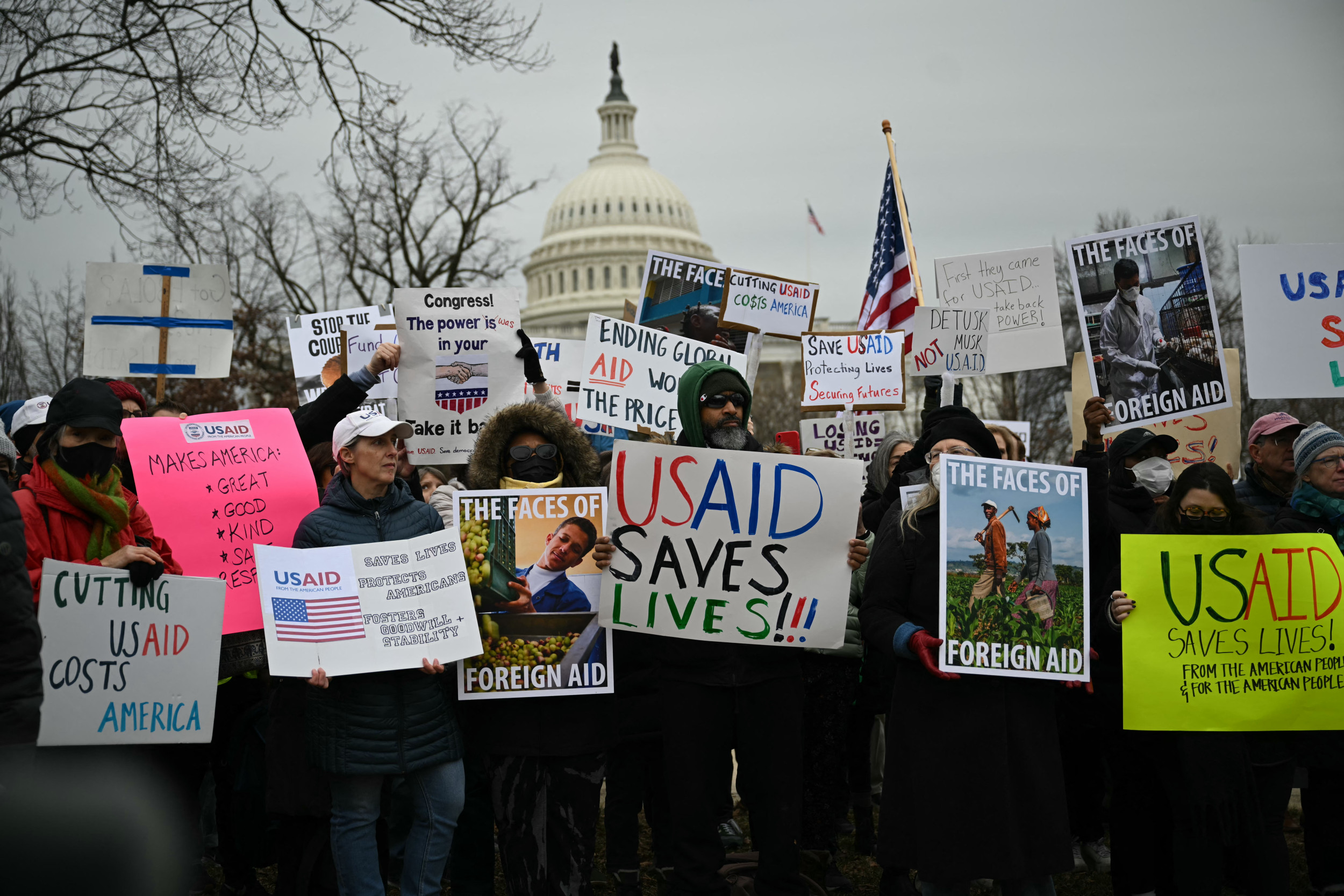
Freedom of Speech & Expression : Protesters expressed their concerns about how the government is run, issues of inequality, and decisions on policies without facing censorship.
- Right to Assemble : The organized demonstrations demonstrated the legal basis that allows people to gather peacefully in public places.
-
Petitioning the Government : Many rallies included petitions and demands, reinforcing the legal process of seeking accountability.
Key Demonstrations & Legal Implications
These rallies were focused on protecting constitutional rights and sparked legal discussions about government overreach and the balance between national security and individual freedoms.
This protest drew upon America’s legal tradition of checks and balances, reminding the public of the constitutional rejection of monarchical powers.
Some states imposed stricter requirements for protest permits, while others allowed more flexibility. This showed how different state laws can affect the right to assemble in various ways across the country.
Law Enforcement & Civil Rights
-
Use of Force: In some cities, there were questions about whether police responses violated someone’s constitutional rights.
-
Protest Permits & Restrictions: Although permits are required in some cases, some argued that too many rules discouraged freedom of expression.
-
Civil Rights Litigation: After the protests, civil rights organizations started closely watching for potential lawsuits related to unlawful arrests or excessive policing.
Criticism & Opposition
-
Some protests may have disrupted businesses or traffic, testing the limits of what is considered “peaceful assembly.”
-
Some events went beyond lawful protest, raising concerns about where the line is drawn between lawful protest and unlawful disruption.
-
Political figures debated whether the protests were a rightful exercise of constitutional rights or an abuse of those rights.
Impact on U.S. Law & Policy
-
Reevaluation of Protest Laws: Some states may review laws that govern public gatherings and permit requirements.
-
Judicial Oversight: Courts may see an increase in cases related to police authority during large protests.
-
Policy Discussions: Legislators are reexamining issues such as voting access, freedom of expression, and government accountability in response to increasing public pressure and nationwide demands.
Global Legal Influence
Future Legal Outlook
-
Lead to new Supreme Court cases about protest rights.
-
Influence Congress to pass clearer protections for peaceful assembly.
-
Expand the role of civil rights organizations in monitoring government actions during large protests.
Conclusion
Editor's Picks

The Ottawa Senators are entering the 2025–26 NHL season with renewed purpose and expectations. After finally breaking an eight-year playoff drought by clinching a wild-card spot, the franchise aims to go beyond mere qualification. Their season begi...

In today’s fast-paced world, mental health has become one of the most important aspects of overall well-being. While physical health often takes center stage, our emotional and psychological wellness plays an equally vital role in shaping our quali...

Introduction Home improvement has always reflected lifestyle shifts, but in 2025 the U.S. housing market is witnessing an accelerated transformation. Homeowners are no longer just looking for cosmetic upgrades; they are investing in solutions that m...

Introduction In today’s fast-moving digital world, making the right financial choices is no longer an option it’s a necessity. With the vast number of investment platforms, brokers, and financial products available online, consumers often strugg...

Introduction In the latest fixture of the Iran Pro League (IPL), defending champions Persepolis FC were surprisingly held to a draw by Malavan Bandar Anzali, a result that has sent shockwaves across Iranian football. For a club of Persepolis’s sta...

Introduction Jamaica is known worldwide for its vibrant culture, reggae rhythms, and golden beaches. But in recent years, the island has also been gaining recognition for its growing culinary scene. A prime example is “Stush in the Bush”, a one-...