The Night Belongs to Travelers: A Deep Dive into Noctourism
Introduction
What is Noctourism?
Why Noctourism is Gaining Popularity
1. Unique Experiences Beyond the Ordinary
2. Avoiding Crowds and Over-Tourism
3. Cultural Immersion
4. Natural Wonders at Night
5. Economic Boost for Destinations
Popular Noctourism Experiences Around the World
-
Northern Lights Tours (Aurora Borealis)
Countries like Iceland, Norway, Canada, and Finland attract thousands of tourists every year who travel specifically to witness the spectacular Northern Lights. The phenomenon is only visible at night, making it a cornerstone of noctourism. -
Night Safaris
Singapore’s Night Safari and African safari parks offer travelers the chance to see nocturnal wildlife in action. Experiencing lions, leopards, and elephants under the cover of darkness creates a thrilling atmosphere. -
Bioluminescent Beaches
Places such as Puerto Rico’s Mosquito Bay and the Maldives are famous for glowing waters at night caused by bioluminescent plankton. Walking along these glowing shores is a magical experience impossible to enjoy in daylight. -
Night Markets in Asia
Cities like Bangkok, Taipei, and Kuala Lumpur are renowned for vibrant night markets where visitors can shop, eat, and enjoy live entertainment. These markets have become major tourist attractions in their own right. -
Cultural Festivals and Events
Events like Japan’s Lantern Festivals or Europe’s “Nuit Blanche” (White Night) art festivals attract global travelers to enjoy creativity and celebration under the stars. -
Stargazing and Astronomy Tourism
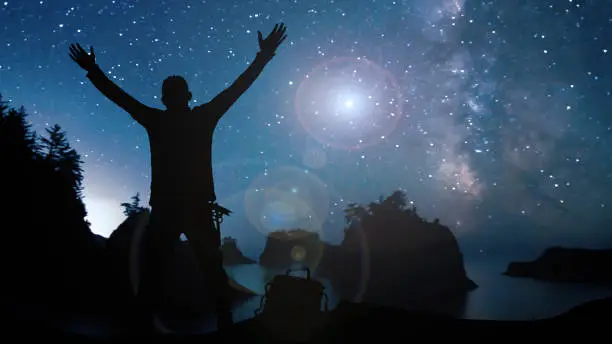
Desert regions such as Chile’s Atacama Desert or Arizona in the U.S. have become stargazing hubs. Clear skies and specialized observatories allow travelers to explore the universe in ways that daytime tourism never could.
Benefits of Noctourism for Travelers
-
Peaceful and Less Rushed: Travelers enjoy destinations without heavy crowds.
-
More Adventure: The mystery of night adds excitement and novelty.
-
Extended Time: Instead of limiting exploration to daylight hours, tourists maximize their trip by enjoying attractions after dark.
-
Enhanced Photography: Nightscapes, light shows, and illuminated landmarks offer stunning photo opportunities.
Challenges of Noctourism
The Future of Noctourism
Conclusion
Editor's Picks

The Ottawa Senators are entering the 2025–26 NHL season with renewed purpose and expectations. After finally breaking an eight-year playoff drought by clinching a wild-card spot, the franchise aims to go beyond mere qualification. Their season begi...

In today’s fast-paced world, mental health has become one of the most important aspects of overall well-being. While physical health often takes center stage, our emotional and psychological wellness plays an equally vital role in shaping our quali...

Introduction Home improvement has always reflected lifestyle shifts, but in 2025 the U.S. housing market is witnessing an accelerated transformation. Homeowners are no longer just looking for cosmetic upgrades; they are investing in solutions that m...

Introduction In today’s fast-moving digital world, making the right financial choices is no longer an option it’s a necessity. With the vast number of investment platforms, brokers, and financial products available online, consumers often strugg...

Introduction In the latest fixture of the Iran Pro League (IPL), defending champions Persepolis FC were surprisingly held to a draw by Malavan Bandar Anzali, a result that has sent shockwaves across Iranian football. For a club of Persepolis’s sta...

Introduction Jamaica is known worldwide for its vibrant culture, reggae rhythms, and golden beaches. But in recent years, the island has also been gaining recognition for its growing culinary scene. A prime example is “Stush in the Bush”, a one-...